
Covington Foreclosure Clean Outs Services
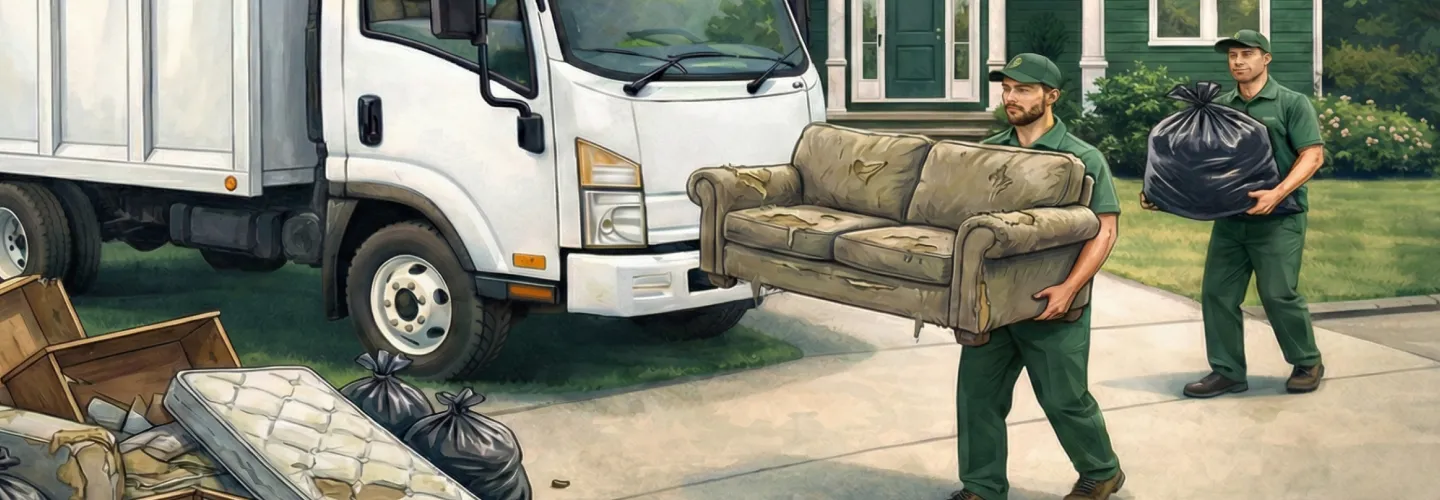
Choose our foreclosure clean out services for prompt, thorough, and hassle-free property cleanups—restoring homes to market-ready condition with professionalism and care.
Get a Free QuoteOur Covington Junk Removal Services
Foreclosure Clean Outs in Covington, GA – Local Service Guide
Foreclosure clean outs in Covington, GA require a tailored approach to address the unique needs of local properties. In neighborhoods like Clark’s Grove and Lochridge, residential items such as furniture, appliances, and electronics often need removal due to seasonal moves, property turnovers, or storm damage. Many residents opt to donate usable goods or recycle scrap metal, while larger items like sheds or hot tubs may require special disposal. Access can be challenging in older homes or during rainy seasons, so planning is key.
For residential spaces—garages, basements, and yards—spring and fall are peak times for cleanouts, especially after storms or in flood-prone areas like near Dried Indian Creek. Commercial properties in Covington’s downtown or along Industrial Boulevard face industry-specific needs, such as discreet, after-hours cleanouts for offices or retail spaces. Specialty services, including dumpster rentals and estate or hoarding cleanouts, demand careful coordination and adherence to local disposal regulations. For guidance on local rules and resources, visit the Covington Public Works Department.
Benefits of Foreclosure Clean Outs in Covington
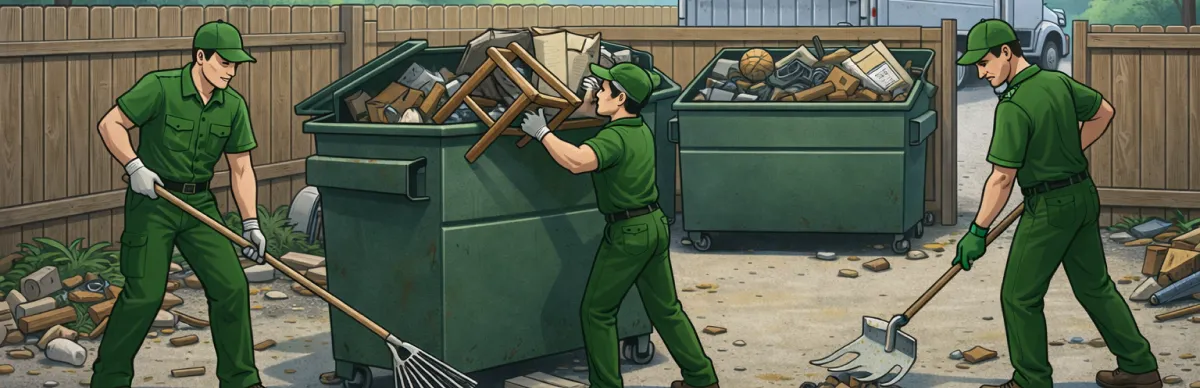
Fast Turnaround Times
Comprehensive Property Cleaning
Experienced Clean Out Professionals
Eco-Friendly Disposal Solutions
Flexible Scheduling Options
Affordable Foreclosure Clean Out Rates
Coordinating Foreclosure Clean Outs with Covington's Public Works and Sanitation Services
Foreclosure clean outs in Covington require careful coordination with municipal waste management services to ensure all debris, abandoned furnishings, and household materials are disposed of in compliance with local ordinances. The Covington Public Works Department oversees sanitation collection, street maintenance, and bulk waste coordination within city limits. Before initiating a foreclosure clean out, property owners and servicers should confirm the following:
- Bulk waste scheduling must be arranged in advance through Public Works; items cannot be left curbside outside of designated collection windows
- Prohibited curbside items include appliances containing refrigerants, electronics, tires, and hazardous chemicals
- Commercial haulers performing foreclosure clean outs within Covington must maintain proper business licensing and insurance
- Code enforcement violations may be issued for properties where debris is left on sidewalks, rights-of-way, or visible from the street beyond permitted timeframes
Failure to coordinate with municipal services can result in fines and delays in property turnover.
Covington Public Works Department
2194 Emory Street NW, Covington, GA 30014
Phone: (770) 385-2000
Official Website: Covington Public Works Department
Covington Code Enforcement and Property Maintenance Standards for Foreclosed Properties
Foreclosed properties in Covington are subject to strict property maintenance codes enforced by the city's Planning and Development department. Lenders, servicers, and property managers responsible for foreclosed homes must ensure clean outs meet all applicable standards before a property can be listed, sold, or re-occupied. The Covington Planning & Development office administers building inspections, zoning compliance, and code enforcement actions. Key compliance requirements include:
- Exterior debris removal — all abandoned furniture, appliances, and trash must be cleared from yards, porches, and driveways
- Overgrown vegetation must be addressed; the city's Tree Preservation ordinance may apply to removal of trees on foreclosed lots
- Securing the property — broken windows, open doors, and damaged fencing must be repaired to prevent unauthorized entry
- Building permits are required if structural repairs or demolition of interior components are part of the clean out scope
- Inspection clearance may be necessary before utilities are reconnected or occupancy is restored
Properties that remain in violation may be subject to municipal liens and escalating penalties.
Covington Planning & Development Department
2116 Stallings Street NW, Covington, GA 30014
Phone: (770) 385-2000
Official Website: Covington Planning & Development
Georgia Solid Waste Management Act Compliance for Foreclosure Debris Disposal
All waste generated during foreclosure clean outs in Covington must be handled in accordance with the Georgia Comprehensive Solid Waste Management Act (O.C.G.A. § 12-8-20) and regulations administered by the Georgia Environmental Protection Division (GA EPD). This state framework governs how residential and commercial solid waste is transported, processed, and disposed of across Newton County and the broader region. Foreclosure clean out operators should be aware of the following state-level requirements:
- Solid waste hauler permits — any company transporting waste for hire in Georgia must hold appropriate permits from GA EPD
- Landfill disposal restrictions — lead-acid batteries, used motor oil, tires, and yard waste are prohibited from municipal solid waste landfills under Georgia regulations
- Appliance refrigerant recovery is mandated by EPA Section 608 regulations before any refrigerator, freezer, or air conditioning unit can be disposed of
- Asbestos-containing materials found in pre-1980 foreclosed homes require licensed abatement and separate disposal at approved facilities
- Manifest and tracking documentation may be required for large-volume clean outs exceeding standard residential waste thresholds
Violations of state solid waste laws can result in civil penalties and hauler license revocation.
Georgia Environmental Protection Division
2 Martin Luther King Jr. Drive SE, Suite 1456 East, Atlanta, GA 30334
Phone: (404) 656-4713
Official Website: Georgia Environmental Protection Division
Stormwater Protection and Environmental Safeguards During Covington Foreclosure Clean Outs
Foreclosure clean outs frequently involve removing large volumes of debris from properties that may have been neglected for extended periods. In Covington, the Environmental Compliance Department enforces stormwater protection regulations that directly affect how clean out operations are conducted. Improperly managed debris can introduce pollutants into Covington's stormwater system and local waterways. Clean out crews must observe the following environmental safeguards:
- No washing or rinsing of debris, chemicals, or cleaning agents into storm drains or gutters
- Loose debris containment — lightweight materials such as insulation, packaging, and paper must be secured to prevent wind dispersal into streets and drainage channels
- Hazardous material segregation — paint cans, solvents, pesticides, cleaning chemicals, and automotive fluids found in foreclosed properties must be separated and taken to a household hazardous waste collection event or approved facility
- Erosion control may be required if exterior grading or landscaping disturbance occurs during the clean out process
- Spill prevention protocols should be in place for any equipment or vehicles used on-site
The Covington Water Reclamation Facility manages wastewater treatment and can provide guidance on prohibited discharges.
Covington Environmental Compliance Department
2194 Emory Street NW, Covington, GA 30014
Phone: (770) 385-2000
Official Website: Covington Environmental Compliance
Recycling and Material Recovery Options for Foreclosure Clean Out Debris in Covington
Foreclosure clean outs typically generate a wide range of materials, many of which can be diverted from landfills through recycling, donation, or specialized recovery programs. Newton County operates recycling drop-off facilities that accept common materials recovered during property clean outs. Responsible material handling during foreclosure clean outs should prioritize the following:
- Scrap metal — appliances (with refrigerant removed), metal shelving, fixtures, and structural components can be taken to local scrap metal recyclers
- Electronics and e-waste — televisions, computers, monitors, and peripherals should not be placed in regular waste; Georgia encourages e-waste recycling through designated collection programs
- Furniture and household goods in usable condition may be donated to local charitable organizations such as Habitat for Humanity ReStore or Goodwill, reducing landfill volume
- Construction and demolition debris — wood, drywall, concrete, and roofing materials should be separated for processing at C&D recycling facilities when feasible
- Mattresses and box springs — Georgia does not have a mandatory mattress EPR program; these items are typically accepted at transfer stations for a fee
Prioritizing material recovery supports Covington's environmental stewardship goals and reduces disposal costs for property servicers.
What Neighborhoods Do We Serve Throughout Covington, GA?
- Covington Historic District: This nationally recognized historic area features homes dating to the mid-1800s with potential lead paint and asbestos concerns. Foreclosure clean outs require careful material assessment, and any exterior work may need approval through the city's historic preservation review process.
- Oxford Road Corridor: A mix of single-family homes and rental properties along this corridor often experience higher foreclosure turnover. Street access is generally adequate for removal trucks, though mature tree canopy may limit overhead clearance.
- Eastside/Highway 278 Area: Newer subdivisions and commercial properties characterize this growing area. Foreclosure clean outs here frequently involve larger homes with attached garages and significant volumes of abandoned household goods.
- Clark Street and Surrounding Blocks: Older residential neighborhoods with narrow lots and limited driveway space. Clean out crews may need to stage materials curbside and coordinate with Public Works for timely removal to avoid code violations.
- Covington Town Center Area: Properties near the downtown square include mixed-use buildings and older commercial spaces. Access may be constrained by one-way streets, on-street parking, and pedestrian traffic, requiring advance logistical planning.
- Brown Bridge Road Vicinity: Suburban residential developments with wider streets and cul-de-sacs provide easier truck access. Foreclosed properties in HOA-governed subdivisions may require association notification before clean out work begins.