
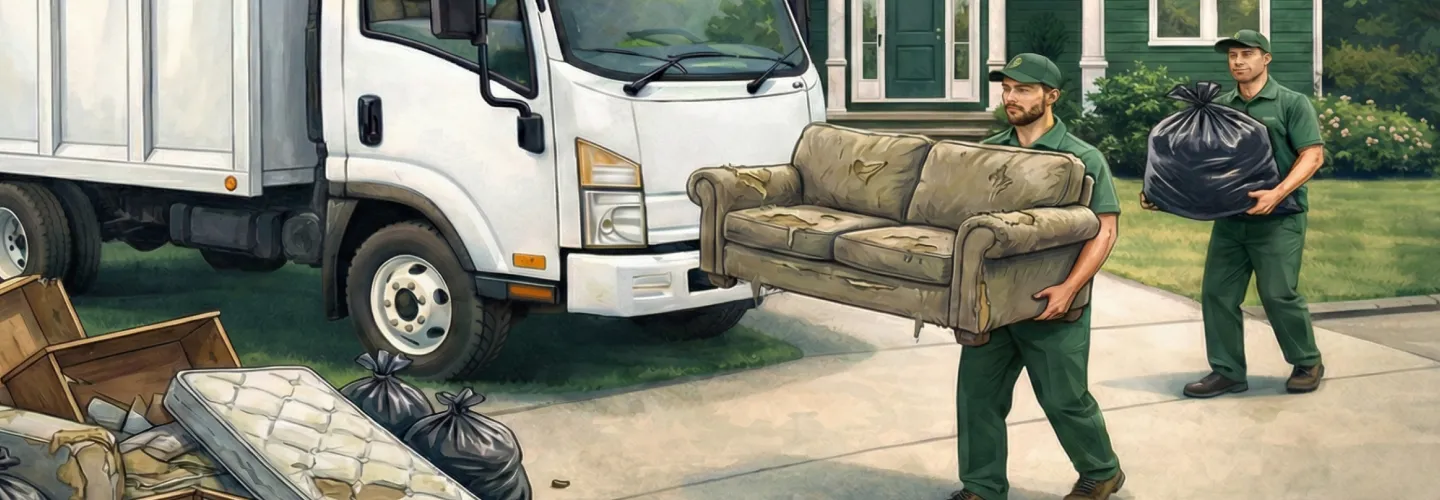
Covington Restaurants Junk Removal Services
Choose our Restaurants Junk Removal for prompt, professional service that keeps your kitchen and dining areas spotless, compliant, and ready for business—so you can focus on serving your customers.
Get a Free QuoteOur Covington Junk Removal Services
Restaurants Junk Removal in Covington, GA – Local Service Guide
Restaurants in Covington, GA, from the bustling Historic Downtown to the busy Highway 278 corridor, often face unique junk removal needs. Whether it’s clearing out old kitchen equipment, replacing dining furniture, or managing waste after renovations, timely and efficient removal is crucial to keep operations running smoothly. Local restaurants may need to coordinate pickups around peak hours or special events, especially in high-traffic areas like Covington Square or near Newton Plaza. Proper disposal is essential, as Covington has specific guidelines for commercial waste, and recycling options are available for certain materials. Working with a local junk removal service ensures compliance with city regulations and minimizes disruption to your business. For more information on local rules and resources, visit the Covington Public Works Department.
Key Considerations for Restaurants Junk Removal in Covington
- Schedule pickups during off-peak hours to avoid customer disruption
- Check if permits are needed for large-scale disposals or dumpsters
- Use approved disposal and recycling channels for commercial waste
- Ensure easy access for removal trucks, especially in historic or congested areas
- Plan for higher volumes during renovations or seasonal menu changes
- Coordinate with property managers for shared spaces or strip malls
Benefits of Restaurants Junk Removal in Covington
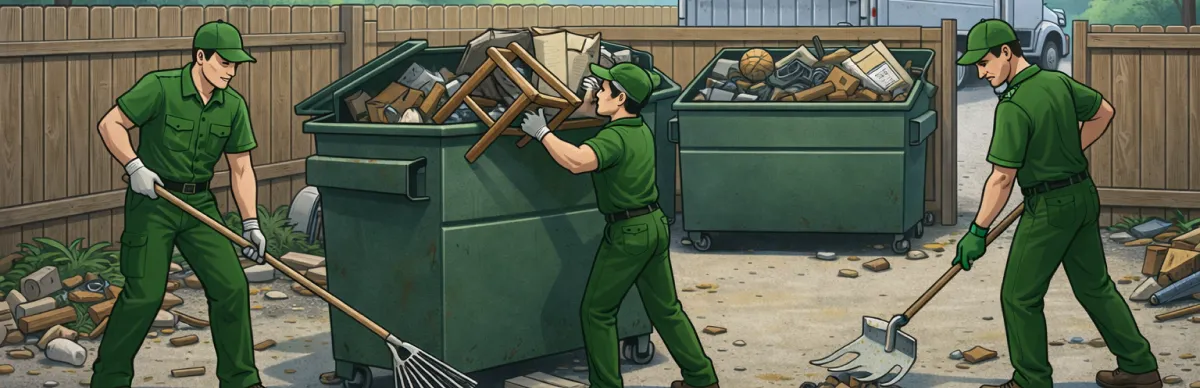
Fast and Reliable Service
Eco-Friendly Disposal Solutions
Flexible Scheduling Options
Licensed and Insured Team
Competitive Pricing
Comprehensive Junk Removal
Coordinating Restaurant Junk Removal with Covington's Public Works and Sanitation Services
Restaurants in Covington undergoing renovations, closures, or equipment upgrades must coordinate waste removal through the city's municipal infrastructure. The Covington Public Works Department oversees sanitation services, street maintenance, and stormwater management, all of which intersect with commercial junk removal operations. Restaurant owners should be aware of the following requirements before scheduling removal services:
- Commercial waste generated by restaurants—including broken booths, old countertops, and non-functioning equipment—must be handled by licensed commercial haulers, not placed in residential collection streams
- Scheduling removal during non-peak hours helps avoid conflicts with city sanitation routes and minimizes disruption to neighboring businesses
- Street access for removal trucks may require advance coordination, particularly in Covington's downtown corridor where on-street parking is limited
- Stormwater compliance must be maintained during removal; debris must not enter storm drains or public rights-of-way
Covington Public Works Department
2194 Emory Street NW, Covington, GA 30014
Phone: (770) 385-2000
Official Website: Covington Public Works Department
Georgia Solid Waste Regulations Affecting Restaurant Equipment and Debris Disposal
Restaurant junk removal in Covington must comply with the Georgia Comprehensive Solid Waste Management Act (O.C.G.A. § 12-8-20) administered by the Georgia Environmental Protection Division (GA EPD). This state law establishes the framework for solid waste handling, transportation, and disposal that applies to all commercial waste generators, including restaurants. Key regulatory considerations include:
- Solid waste manifests may be required when transporting large volumes of commercial debris to permitted disposal facilities
- Refrigerant-containing equipment such as walk-in coolers, reach-in refrigerators, and ice machines must have refrigerants recovered by an EPA Section 608 certified technician before disposal
- Grease traps and used cooking oil are classified separately from solid waste and must be handled by licensed grease haulers; they cannot be mixed with general restaurant junk
- Asbestos-containing materials found in older restaurant buildings (floor tiles, pipe insulation) require licensed abatement before removal per Georgia Rules Chapter 391-3-1
- Electronic point-of-sale systems, monitors, and computers should be directed to certified e-waste recyclers rather than landfill disposal
Restaurant owners bear legal responsibility for ensuring all waste generated during cleanouts reaches properly permitted facilities.
Covington Environmental Compliance and Stormwater Protection During Restaurant Cleanouts
Restaurant junk removal projects in Covington must adhere to the city's environmental compliance standards, particularly regarding stormwater protection and erosion control. The Covington Environmental Compliance Department enforces regulations that directly affect how debris is staged, loaded, and transported from restaurant properties. Failure to comply can result in code violations and fines. Restaurant operators and removal contractors should observe the following:
- Debris staging areas must be covered or contained to prevent materials from washing into storm drains during rain events
- Liquid waste from discarded equipment (residual grease, cleaning chemicals, refrigerants) must never be poured into storm drains, parking lot drains, or onto the ground
- Loading zones should use tarps or containment barriers to capture loose debris, broken glass, and small particles during the removal process
- Hazardous materials including cleaning solvents, pesticides, fluorescent lighting tubes, and mercury thermostats must be separated and disposed of through Newton County's household hazardous waste collection programs
- Post-removal site cleanup is required; the property must be left free of debris that could become windblown litter or stormwater contaminants
Covington Environmental Compliance Department
2194 Emory Street NW, Covington, GA 30014
Phone: (770) 385-2000
Official Website: Covington Environmental Compliance
Permits and Building Code Requirements for Covington Restaurant Renovation Debris Removal
When restaurant junk removal is associated with interior demolition, remodeling, or tenant turnover, Covington's Planning and Development Department may require permits before work begins. This is especially relevant for restaurants located within Covington's designated historic district, where additional review processes apply. Restaurant owners and contractors should consider:
- Building permits are typically required when removal involves structural modifications such as tearing out built-in kitchen equipment, removing walls, or altering plumbing and electrical systems
- Historic district properties in downtown Covington may require approval from the Planning Commission before exterior modifications or significant interior demolition; consult the Covington Planning Commission for guidance
- Right-of-way use for staging removal trucks or temporary debris containers on public streets or sidewalks may require coordination with Public Works
- Fire code compliance must be maintained throughout the removal process; exit paths, fire suppression systems, and sprinkler clearances cannot be obstructed by staged debris
- Pre-1978 buildings may contain lead-based paint, requiring compliance with the EPA Renovation, Repair, and Painting Rule and use of lead-safe work practices during demolition
Covington Planning & Development Department
2194 Emory Street NW, Covington, GA 30014
Phone: (770) 385-2000
Official Website: Covington Planning & Development
Recycling and Material Recovery Options for Covington Restaurant Equipment and Fixtures
Responsible restaurant junk removal in Covington should prioritize material recovery and recycling over landfill disposal whenever possible. Georgia's solid waste management goals encourage waste diversion, and many materials commonly found in restaurant cleanouts have significant recycling or resale value. Restaurant owners should explore the following options before scheduling disposal:
- Stainless steel equipment (prep tables, sinks, shelving, exhaust hoods) is highly recyclable and accepted by local scrap metal dealers in the Newton County area
- Functional equipment such as ovens, fryers, and refrigeration units in working condition may be donated to restaurant supply resellers or nonprofit organizations
- Wooden booths, tables, and chairs in repairable condition can be directed to reuse organizations or furniture donation programs
- Cardboard, paper, and packaging materials generated during cleanouts should be separated and recycled through commercial recycling services
- Fluorescent light tubes and ballasts contain mercury and must be recycled through hazardous waste channels, not placed in regular waste streams
- Cooking oil and grease should be collected by licensed rendering companies for conversion into biodiesel or animal feed products
Diverting recyclable materials reduces disposal costs and supports Covington's broader environmental stewardship objectives.
What Neighborhoods Do We Serve Throughout Covington, GA?
- Downtown Covington Historic District: This area features older commercial buildings with narrow rear access alleys and limited loading zones. Restaurant junk removal here often requires coordination with historic preservation guidelines and careful navigation of pedestrian-heavy streetscapes around the Covington Square.
- Clark Street Corridor: A mix of commercial and residential properties along a primary thoroughfare. Restaurants in this area typically have better street-level access for removal trucks, though traffic management during business hours remains a consideration.
- Newton Drive / Highway 142 Commercial Area: Strip mall and standalone restaurant locations with parking lot access that accommodates larger removal vehicles. Stormwater drain proximity in paved lots requires careful debris containment during loading.
- Pace Street Neighborhood: Older residential-turned-commercial properties where restaurants may occupy converted homes. Narrow driveways, low-hanging tree canopy, and limited turnaround space present logistical challenges for removal crews.
- Covington Town Center Area: Newer mixed-use developments with modern building access and designated service areas. Building management coordination and service entrance scheduling are typically required for restaurant tenant cleanouts.
- Brown Bridge Road Corridor: Growing commercial district with restaurants in newer construction. Wide road access and ample staging areas simplify removal logistics, though compliance with development-specific stormwater management plans is essential.