
Covington Storage Unit Cleanout Services
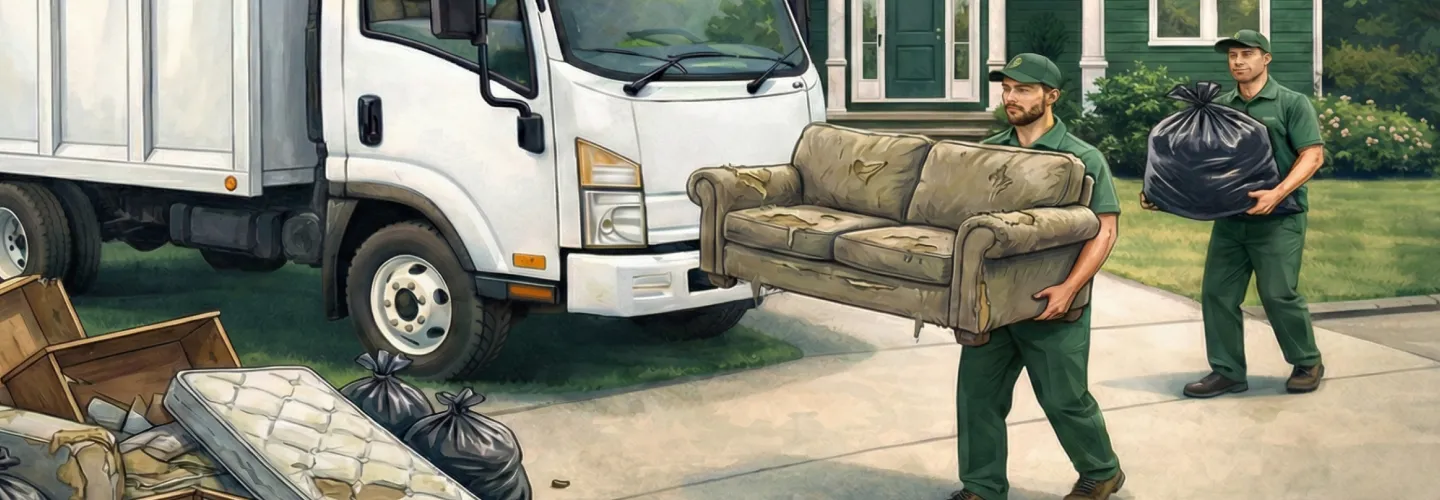
Choose our Storage Unit Cleanout service for fast, hassle-free removal and responsible disposal—so you can enjoy a clean, organized space without lifting a finger.
Get a Free QuoteOur Covington Junk Removal Services
Storage Unit Cleanout in Covington, GA – Local Service Guide
Storage unit cleanouts in Covington, GA, are often prompted by life transitions, seasonal changes, or the need to reclaim valuable space. Residents in neighborhoods like Clark’s Grove or Lochridge Estates may find themselves clearing out furniture, mattresses, or appliances after a move, renovation, or spring cleaning. Local disposal options include donation centers, recycling facilities, and city-approved waste services. For residential spaces such as garages or basements, cleanouts are common after storms or during yard waste cycles, especially in areas prone to flooding or with heavy tree coverage. Commercial clients in Covington’s downtown or industrial districts often require discreet, timely cleanouts for offices, restaurants, or warehouses, with volume and scheduling tailored to business needs. Specialty services—such as for estate, foreclosure, or hoarding situations—demand careful planning and coordination, particularly when handling large volumes or sensitive items. For guidance on local disposal rules and resources, visit the Covington Public Works Department.
Key Considerations for Storage Unit Cleanout in Covington
- Timing cleanouts around local weather and seasonal events
- Securing necessary permits for large-scale disposals
- Using approved disposal and recycling channels
- Ensuring easy access for removal teams, especially in gated facilities
- Accurately estimating volume and category of items
- Coordinating with property managers or city services as needed
Benefits of Storage Unit Cleanout in Covington
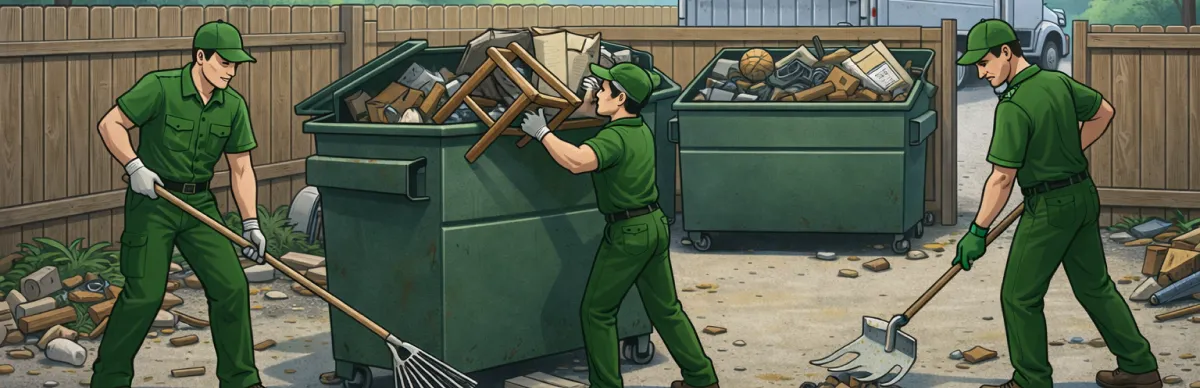
Fast and Efficient Cleanout
Professional and Reliable Team
Affordable Pricing Options
Eco-Friendly Disposal Solutions
Flexible Scheduling
Comprehensive Junk Removal
Coordinating Storage Unit Cleanout Disposal with Covington's Public Works Department
Storage unit cleanouts in Covington, Georgia, often produce large volumes of mixed materials that require proper sorting and disposal through municipal channels. The Covington Public Works Department oversees sanitation services and can provide guidance on bulk waste disposal options available to residents and commercial operators. Before beginning a cleanout, individuals should understand what materials are accepted through standard collection and what requires alternative handling.
- Household furniture and general debris may be eligible for bulk pickup scheduling through Public Works
- Electronics, paint, and batteries are prohibited from regular waste streams and require separate disposal
- Appliances containing refrigerants must have refrigerant recovered by a certified technician before disposal per EPA Section 608 regulations
- Construction materials such as drywall, lumber, or tile found in storage units must be separated from household waste
- Tires and automotive fluids are banned from standard landfill disposal in Georgia
Residents should contact Public Works in advance to confirm scheduling requirements and any volume limitations for curbside collection.
Covington Public Works Department
2194 Emory Street NW, Covington, GA 30014
Phone: (770) 385-2000
Official Website: Covington Public Works Department
Georgia's Solid Waste Management Act and Storage Unit Disposal Compliance
All waste generated from storage unit cleanouts in Covington must comply with the Georgia Comprehensive Solid Waste Management Act (O.C.G.A. § 12-8-20) administered by the Georgia Environmental Protection Division (GA EPD). This state law establishes standards for solid waste handling, transportation, and disposal that apply to both residential and commercial waste generators. Storage unit cleanouts frequently uncover materials subject to specific disposal restrictions under Georgia law.
- Hazardous waste including paints, solvents, pesticides, and chemical cleaners cannot be disposed of in municipal solid waste landfills
- Lead-acid batteries must be returned to retailers or recycled through authorized facilities statewide
- Tires are subject to Georgia's scrap tire management regulations and require disposal at permitted facilities
- Electronics should be diverted from landfills through certified e-waste recycling programs, though Georgia does not currently enforce a statewide e-waste landfill ban
- Yard waste mixed with stored items must be separated and managed according to local composting or yard debris collection programs
Failure to comply with state solid waste regulations may result in penalties enforced through the GA EPD or local code enforcement authorities. Proper material identification before disposal is essential during any storage unit cleanout.
Georgia Environmental Protection Division
2 Martin Luther King Jr. Drive SE, Suite 1456, Atlanta, GA 30334
Phone: (404) 656-4713
Official Website: Georgia Environmental Protection Division
Sorting and Separating Storage Unit Contents for Covington Recycling and Donation Programs
Effective storage unit cleanouts require systematic sorting of contents into categories for disposal, recycling, and donation. Covington residents and cleanout operators should separate materials on-site to maximize landfill diversion and comply with waste handling requirements. Newton County operates recycling drop-off facilities that accept common recyclable materials recovered from storage units.
- Scrap metal including shelving, bed frames, and appliance housings can be taken to local scrap metal recyclers for material recovery
- Cardboard and paper goods should be flattened and bundled for recycling drop-off
- Clothing and textiles in usable condition may be donated to local charitable organizations or thrift stores in the Covington area
- Furniture in functional condition can be directed to donation centers such as Habitat for Humanity ReStore locations serving Newton County
- Small electronics including computers, monitors, and printers should be taken to certified e-waste recyclers rather than placed in standard waste
Sorting at the storage unit location reduces disposal costs and ensures that reusable items are diverted from the waste stream. The Covington Environmental Compliance Department can provide additional guidance on stormwater protection and environmental standards when handling large-volume cleanouts.
Covington Environmental Compliance Department
2194 Emory Street NW, Covington, GA 30014
Phone: (770) 385-2000
Official Website: Covington Environmental Compliance
Hazardous Materials and Prohibited Items Commonly Found in Covington Storage Unit Cleanouts
Storage units frequently contain hazardous materials that were placed in storage years ago and may have deteriorated, leaked, or become unstable. Identifying and properly handling these items is critical for worker safety and regulatory compliance. The Resource Conservation and Recovery Act (RCRA) establishes federal standards for hazardous waste management that apply to materials discovered during cleanouts.
- Paints and stains — latex paint may be dried and disposed of in regular waste; oil-based paints require hazardous waste disposal
- Propane tanks and gas canisters — prohibited from landfill disposal; must be taken to authorized collection points
- Pesticides and herbicides — classified as household hazardous waste; contact Newton County for collection event schedules
- Automotive fluids including motor oil, antifreeze, and brake fluid require separate hazardous waste handling
- Lithium and rechargeable batteries pose fire risks and must be recycled through programs such as Call2Recycle
- Aerosol cans that are not fully empty are considered hazardous waste under RCRA guidelines
Items stored for extended periods may have corroded containers or compromised packaging. Workers conducting cleanouts should wear appropriate personal protective equipment including gloves, eye protection, and respiratory protection when encountering unknown substances. The EPA Region 4 office oversees federal environmental compliance for Georgia and can provide guidance on proper hazardous waste disposal procedures.
Covington Planning and Zoning Considerations for Commercial Storage Unit Cleanout Operations
Commercial cleanout operators working at storage facilities in Covington should be aware of local planning, zoning, and permitting requirements that may affect service delivery. The Covington Planning and Development Department administers building codes, zoning regulations, and development standards that can impact how cleanout debris is staged, loaded, and transported from storage facility properties.
- Commercial haulers operating within Covington city limits may need a valid business license and proof of insurance
- Debris staging areas at storage facilities must not obstruct fire lanes, ADA-accessible pathways, or neighboring unit access
- Noise ordinances may restrict operating hours for loading equipment and trucks in areas adjacent to residential zones
- Vehicle weight limits on certain Covington streets may affect routing for loaded removal trucks
- Stormwater compliance requires that debris, dust, and runoff from cleanout activities do not enter storm drains or waterways
Storage facility managers should coordinate with cleanout operators to ensure compliance with facility rules and municipal regulations. Operators should confirm that their vehicles and equipment meet local road use requirements before beginning work.
Covington Planning & Development Department
2194 Emory Street NW, Covington, GA 30014
Phone: (770) 385-2000
Official Website: Covington Planning & Development
What Neighborhoods Do We Serve Throughout Covington, GA?
- Covington Historic District: This area features older homes and buildings with potential lead paint and asbestos concerns in stored items from estate cleanouts. Narrow streets around the historic square may require smaller vehicles for access, and historic preservation guidelines should be reviewed when staging debris near protected structures.
- Clark's Grove: A planned residential community with HOA regulations that may govern debris staging and truck access within the neighborhood. Storage unit cleanouts serving residents here should coordinate pickup times to comply with community covenants.
- Eastside / Highway 278 Corridor: This commercial corridor hosts several storage facility locations with direct highway access, facilitating efficient truck routing for large-volume cleanouts. Commercial zoning allows extended operating hours for loading activities.
- Oxford Road Area: A mix of single-family homes and properties near Oxford College creates demand for student move-out and downsizing cleanouts. Residential street widths accommodate standard removal vehicles.
- Covington Town Center / Turner Lake Area: Newer residential developments and proximity to Turner Lake Park characterize this area. Wide streets and modern infrastructure support straightforward vehicle access for storage unit cleanout services.
- West Covington / Industrial District: Warehouse and light industrial properties in this area may involve commercial storage cleanouts with heavier equipment, palletized goods, and industrial materials requiring specialized disposal or recycling channels.